
What’s actually in my pantry
The mindset shift happened before the pantry did. Once I started reading labels, I couldn't un-read them. And once I understood what was actually in most of the food lining our grocery store shelves, restocking wasn't a diet decision. It was just the next logical step. You clear out what doesn't serve you. You replace it with what does. You teach the kids why. And then you watch them flip over a bag of chips at Costco and read the ingredient list out loud, and you think: okay, it's working.
Here's what we actually live on.
The oils
Oils are the foundation of everything I cook, so this is where I put the most thought.
Ghee. A huge jar of organic ghee lives on my counter and gets used constantly. Ghee is clarified butter, butter that's been slowly simmered until the milk solids are removed, leaving behind pure golden fat with a rich, nutty flavor and a high smoke point. It's shelf-stable and lactose-free. You can make it yourself in about thirty minutes with a stick of good butter, though I'll be honest: good organic butter isn't cheap, and neither is a quality jar of ghee. Worth it if your budget allows, but I won't pretend it's accessible for everyone.
Avocado oil. Always in rotation. Glass is ideal since plastic can leach into the oil over time, but if the store only has plastic, I'll take it. Neutral flavor, high smoke point, great for everything from roasting vegetables to searing meat.
Beef tallow. When budget allows, I splurge on this for frying. It's old-school, it's clean, and it makes everything taste real good. Our grandparents cooked with it before seed oils took over.
Extra virgin olive oil. Non-negotiable. I drizzle EVOO over almost everything: eggs in the morning, greens with a splash of vinegar, roasted anything. Endlessly versatile and genuinely delicious on its own.
Coconut oil. Mostly for baking. I make a mean-ass gluten-free chocolate chip cookie with coconut oil that, after a lot of trial and error, genuinely rivals my original recipe with flour and butter. I won't pretend the early attempts were great. They were not. My husband, who is an old-school chocolate chip cookie purist, told me himself that the last recipe was a real rival. His verdict matters. He doesn't hand those out easily.
Proteins and produce
Grass-fed and finished beef is a weekly staple without exception. A lot of beef is grass-fed early on but then switched to GMO corn in the final months before slaughter. Grass-fed and finished means the cow ate only grass its entire life. That shows up in the meat itself. Once you know the difference, you can't unknow it.
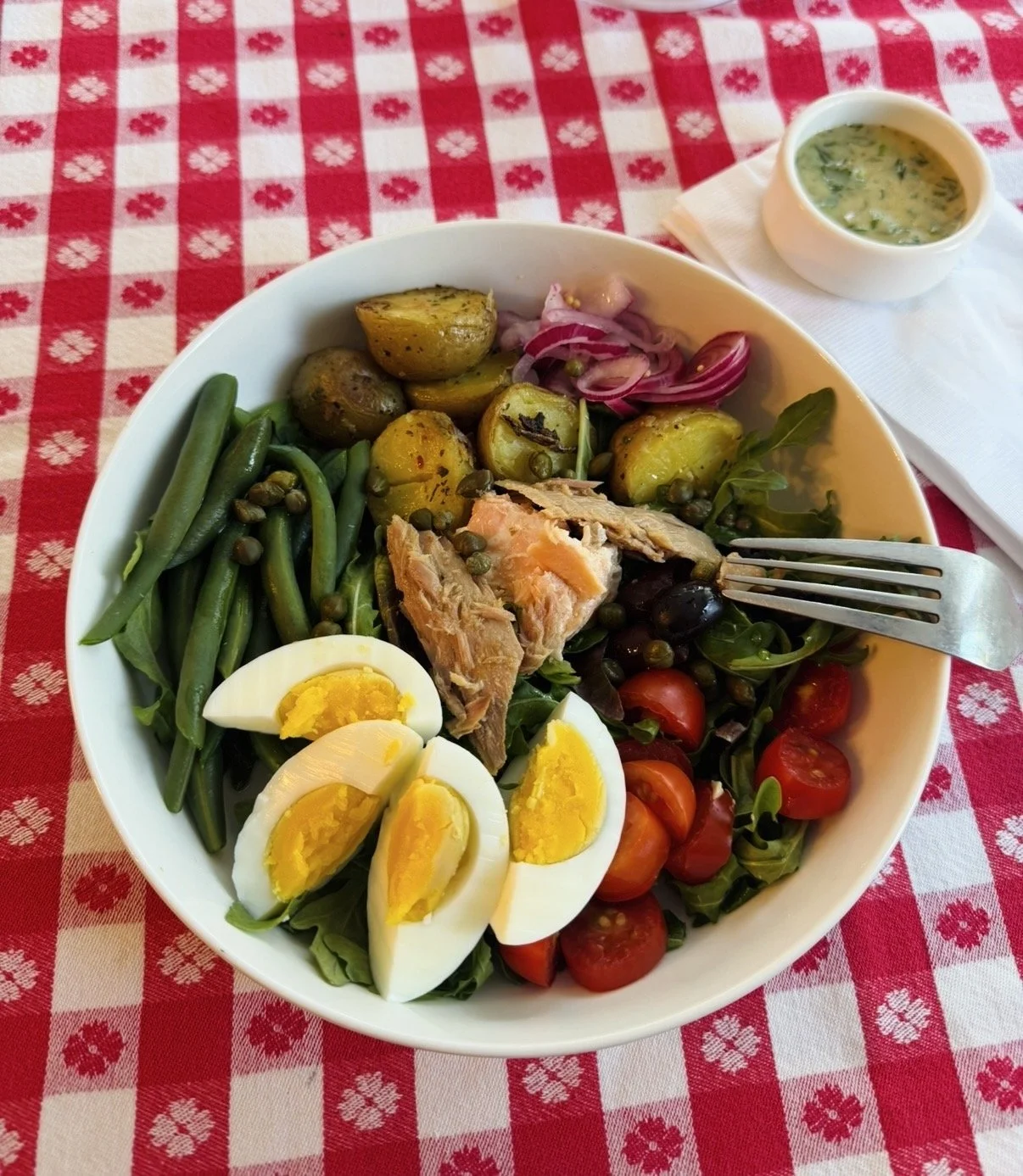
Pasture-raised organic eggs
…are the other thing I don't go without. Ever. Pasture-raised means the chickens actually went outside, ate bugs and grass, and lived the way chickens are supposed to live. That shows up in the egg, in the yolk color, in the nutrition.
The freezer always has wild caught salmon. Costco has excellent options for other frozen fish as well, and wild caught sardines, which are one of the most nutrient-dense things you can eat and are wildly underrated. Organic avocados are a constant. And we always have rice, but with a trick: cook it, cool it in the fridge overnight, then reheat it. That process creates resistant starch, which adds fiber, feeds the good bacteria in your gut, and lowers the glycemic hit. Same rice, better for you. Small things like that add up.
Bread gets complicated. My husband's gut is noticeably happier without gluten, so gluten-free is the default for him. That's its own challenge because most gluten-free breads are full of starches, gums, and fillers that aren't much better than what you were trying to avoid. Finding a clean gluten-free loaf is an ongoing project. For the rest of us, One Mighty Mill stone-milled whole wheat from Costco is our weekly pick, made from whole wheat berries, fresh-milled, no preservatives. As close to real bread as you can get off a shelf.
Fermented foods
I keep kimchi and sauerkraut in the fridge because the gut-brain connection is real, and fermented foods are one of the most direct ways to feed the good bacteria that keep everything in balance. They're also two of the most divisive things I've ever put in front of my kids. I keep trying. They keep declining. One day I'll crack it, but for now it's a one-woman operation in this house. If you're an adult who can get on board with these, even a small amount regularly makes a real difference for your gut. The research backs it up, and so does every functional medicine doctor I've ever listened to late at night searching for answers.
Fruit, especially berries
Fresh fruit, particularly berries, are always at the top of the list. Strawberries, blueberries, raspberries, anything ending in "berry" is welcome. Beyond being delicious, berries are genuinely one of the best things you can feed a brain. The antioxidants in them, especially the ones that give blueberries and blackberries their deep color, help calm inflammation, protect brain cells, and keep everything talking to each other the way it should. At least that's what I keep learning. I wash them as soon as we get home. They barely make it into the fridge. The kids are right there, taking them by the handful the second they see them freshly washed. I've stopped being annoyed by this. It's the best problem to have.
Snacks (read the label anyway)
Chips, popcorn, and crackers made with avocado oil are becoming much easier to find, and we buy them regularly. But you still have to read the label. Even the "clean" snacks will sometimes sneak in gums, emulsifiers, maltodextrin, natural flavors, or other additives that are more processed than they sound. The avocado oil base is a good sign. The rest of the ingredient list tells the real story.
Sweets (yes, we have them)
Candy and processed sweets are technically "special occasions only" in our house. My daughter has a gift for locating a special occasion on almost any given month. This past Easter, at a friend's house, the kids indulged. I may have cringed internally, just a little. But I let it go. I don't want them to never have it. I want them to understand what it is, enjoy it when it's there, and not feel like they're missing something the rest of the time. They know. They're paying attention. That's the whole point.
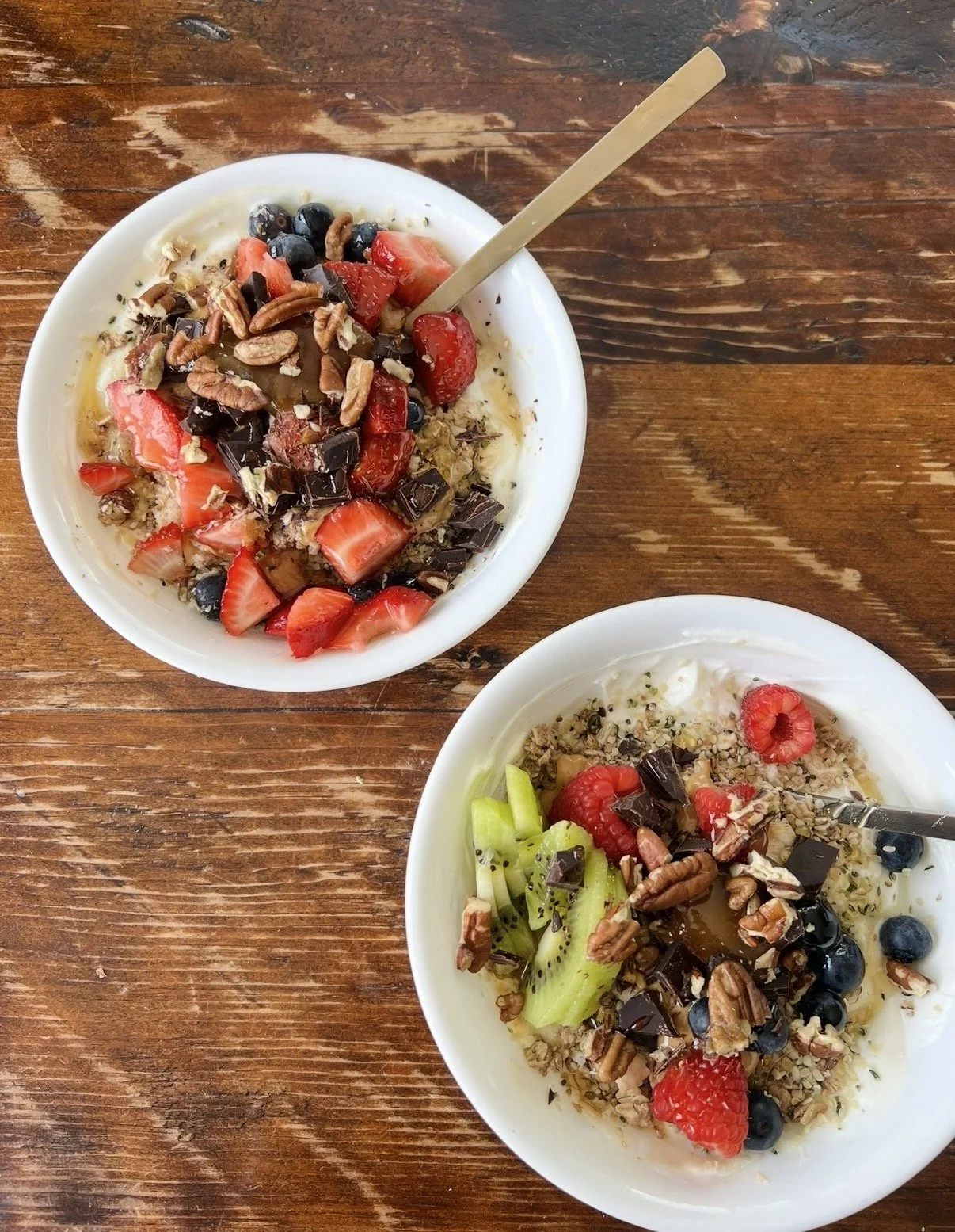
Greek Yogurt
Our go-to is a greek yogurt bowl with dark chocolate chips, and the chocolate matters here. At least 70% cacao, no emulsifiers, and ideally sweetened only with coconut sugar. Clean dark chocolate is genuinely hard to find and tends to be expensive, but it exists. A little goes a long way. We add a drizzle of maple syrup and whatever fruit we have, and it feels like an actual dessert without the crash that follows most processed sweets.
For ice cream, we default to Straus or Van Leeuwen. Both use clean ingredients and actually taste like ice cream is supposed to taste. That said, even with the better brands, some flavors will still sneak in processed ingredients, so you turn the label over. Always.
A pantry isn't a rulebook. It's a reflection of what you value and what you've decided to prioritize, imperfectly, on a budget, in a real life with real kids who want Chex Mix at Costco. You do your best. You stock what you can. You keep reading the labels.
The pantry doesn't have to be perfect. It just has to be better than it was.