
What "whole" actually means to me
For a long time, I thought "whole" was something you arrived at. A destination. A state of finally being fixed, finally being enough, finally having figured it all out. I thought it lived somewhere on the other side of grief, or the other side of loss, or the other side of whatever it was I was going through.
Then I watched my father disappear for seven years, and I had to rethink everything.
It started with Alzheimer's. That slow, quiet theft. Not just of memory, but of the man I knew inside the memories. By the time late-stage pancreatic cancer arrived, it almost felt like the universe was being thorough. There was no gradual goodbye. There was only a long, aching process of watching someone you love become someone you are still learning to love differently. And somewhere inside that process, I had a choice: fall apart, or pay attention.
I chose to pay attention.
I started researching. Not because I thought I could cure him (I knew I couldn’t) but because I needed to understand. I wanted to know why. Why Alzheimer's. Why the body breaks down the way it does. Why what we eat, what we absorb, what we let into our lives quietly shapes us over decades before we ever notice. The more I learned, the more I understood that nothing in the body is accidental, and nothing in a life is, either. Every habit, every meal, every unconscious choice… it all compounds. It all becomes us.
That was the beginning of what I now understand to be wholeness: not the absence of pain, but the presence of awareness. Waking up from autopilot. Choosing to be a participant in your own life rather than a passenger.
During those seven years, I became my father's usher. His guide. I sat with him in the in-between spaces. Between who he was and who he was becoming, between this form of life and whatever came next. I followed my intuition the way you follow a thread in a dark room. I didn't always know where I was going. But I kept my hands open, my feet on the ground, and I trusted that showing up fully, even when it hurt, especially when it hurt, was the only honest thing I could do.
Wholeness, I learned, is not a state. It's a practice. It's the willingness to be present in the hard parts without running. It's holding someone's hand while they slip away and not pretending that it isn't devastating, while also believing that there is something sacred in the witnessing.
That understanding didn't wait for his death to ask something of me. A few years ago, while my father was still here, I took everything I was learning and brought it somewhere unexpected: my daughter's school.
I wasn't trying to start a movement. I was compelled to share what I was learning. I just kept thinking about Alice Waters, the chef and author who in 1995 established the Edible Schoolyard at Martin Luther King Jr. Middle School in Berkeley — a one-acre garden and kitchen program that changed how people think about food, children, and education. What she understood was something I was living in real time: that what we put in our bodies matters, and that children deserve to know why. I wanted that for my daughter's school. Garden beds. Living curriculum. That simple, grounding truth planted early.
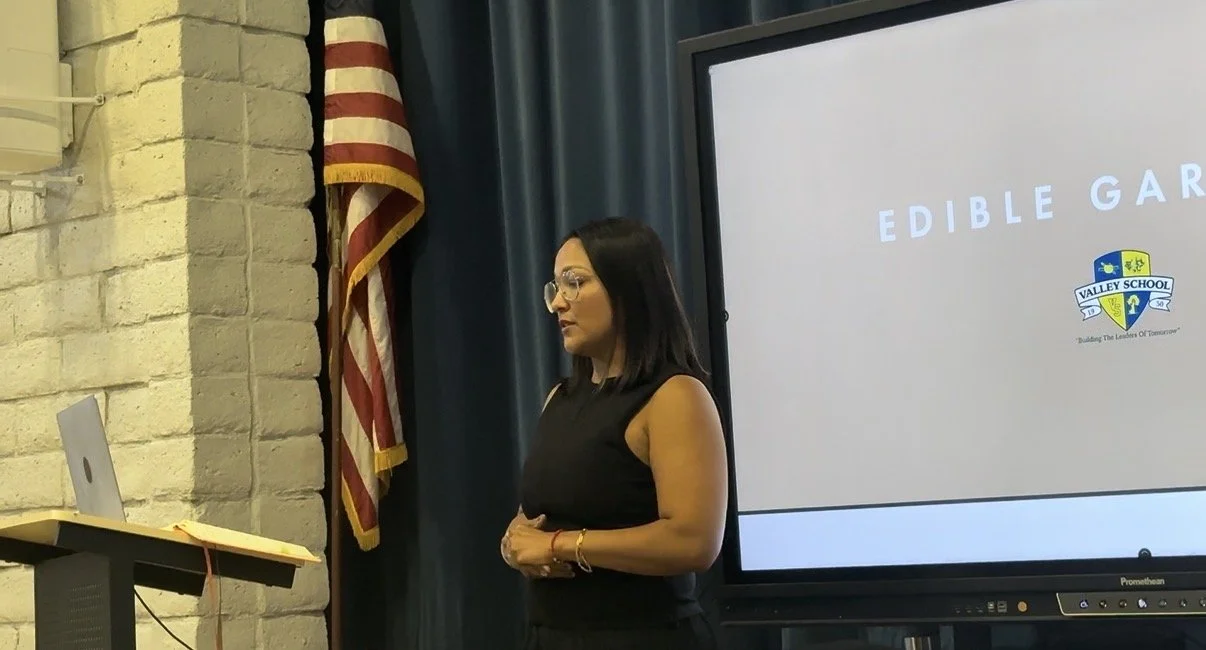
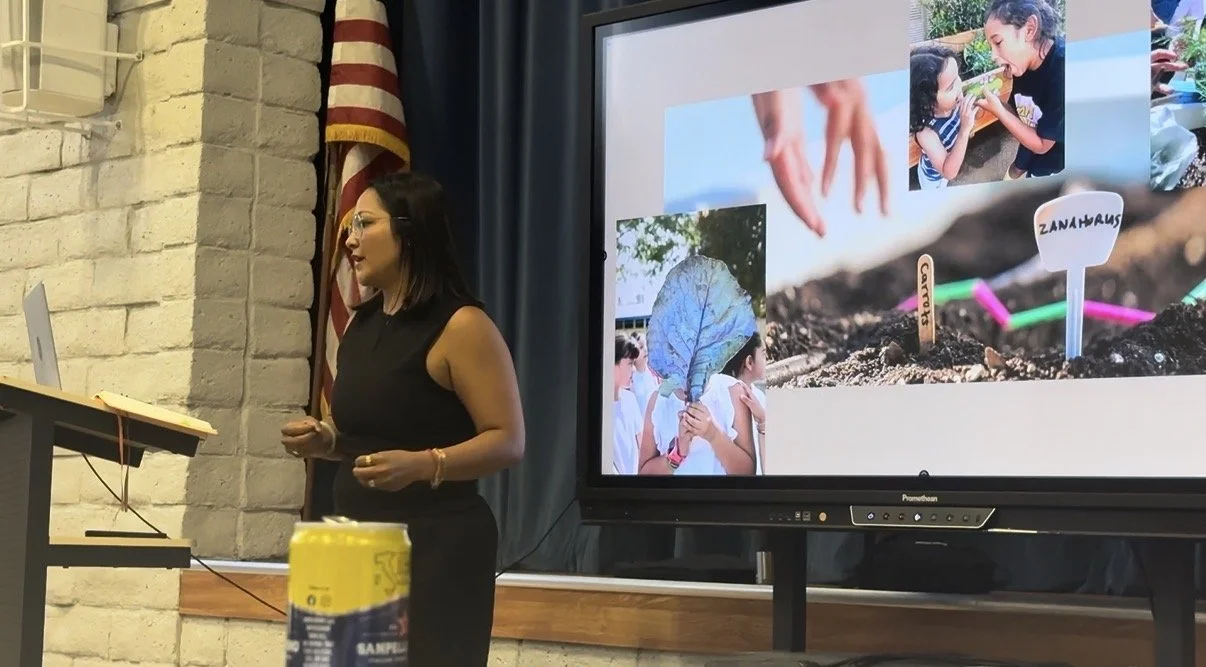
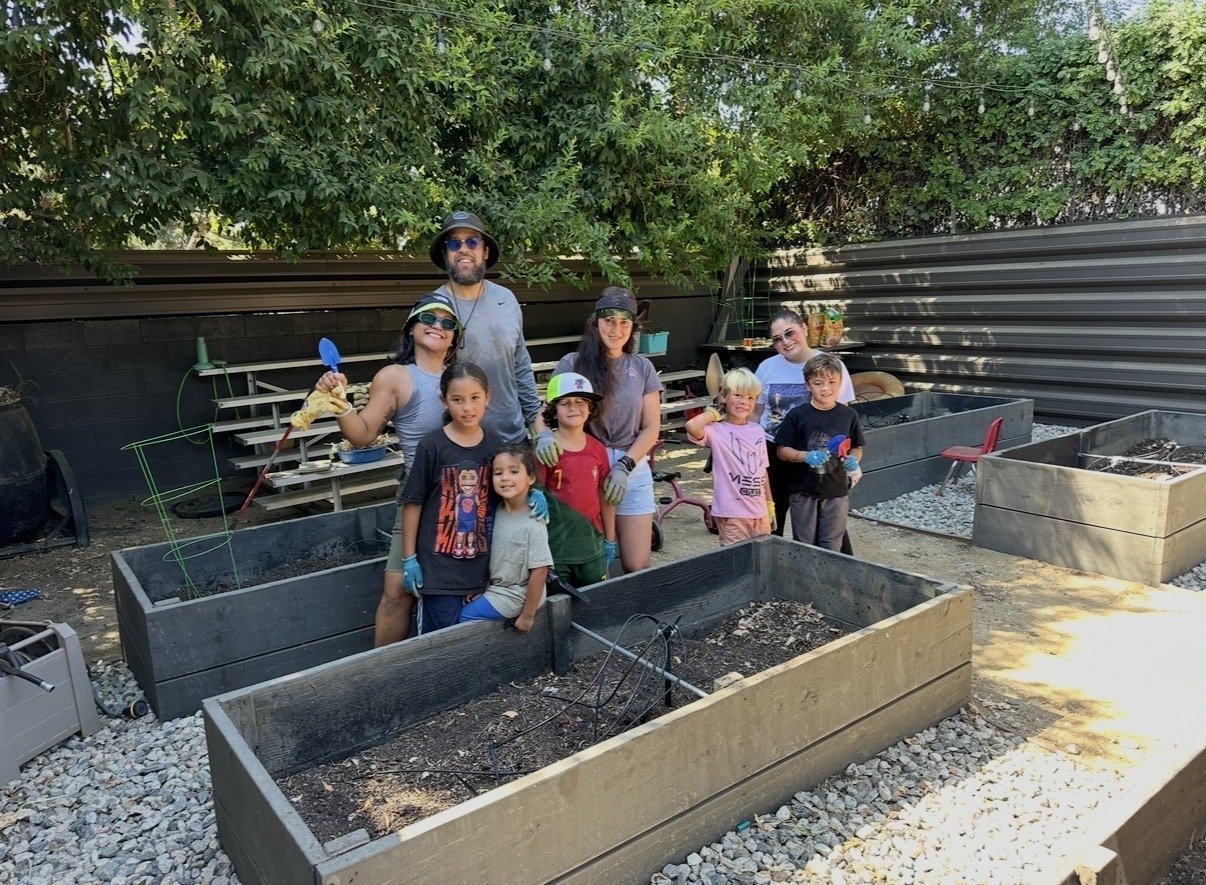
I was met with resistance. I was met with bureaucracy. I was met with the particular brand of exhaustion that institutions sometimes wear like armor. But I kept showing up, because that's what wholeness asks of you: not perfection, not guaranteed outcomes, but continued presence. You show up, and you tend to things, and you trust that seeds know what to do even when you can't see them growing.
All the while, my father was still on his own journey…still moving through his final chapter, still teaching me things I didn't have words for yet.
My father passed away two weeks ago.
I am writing this from inside that. From the strange, quiet aftermath of a loss that was both a long time coming and completely impossible to prepare for. The grief hasn't hollowed me out. What it has done is crack me open. And what I find in the cracks is everything he gave me: the research, the questions, the refusal to go numb, the belief that how we live matters all the way down to the cellular level.
Wholeness, I've come to believe, is not a straight line. It moves the way a spiral moves, cycling back through the same terrain, the same grief, the same questions, but always from a slightly higher vantage point. Each time you choose awareness over numbness, intention over habit, presence over autopilot, you rise. Not away from or around the pain, but through it.
Mindfulness is the vehicle. Consciousness is the destination. And transcendence, isn't leaving your life behind. It's releasing the ego's grip on how things are supposed to go and trusting the quieter, older part of you that already knows. The part that knew to keep researching. That knew to fight for children and soil and seeds. That knew how to guide a dying man toward whatever comes next without needing a map.
None of it was a detour. The grief, the 2 a.m. research, the skeptical administrators, the long silences at a bedside. All of it was the spiral doing exactly what it's meant to do. Lifting me, slowly, toward a version of myself that could hold more than I thought I could.
I am still learning to be what all of this has shown me. I turn around every package in the grocery store now, reading labels, looking for ingredients I can actually pronounce, choosing whole foods that my body can recognize as food. I grow peppers in my garden and eat them straight from the vine. I teach the kids to do the same — to put their hands in the soil, to understand that what grows there is connected to how they feel, how they think, how alive they are capable of being. We plant things. We pay attention. We ask questions. I try to live in a way that my body, my mind, my spirit, and the people around me are all moving in the same direction — not perfectly, not always gracefully, but consciously. Together.
That, to me, is what it means to be whole.
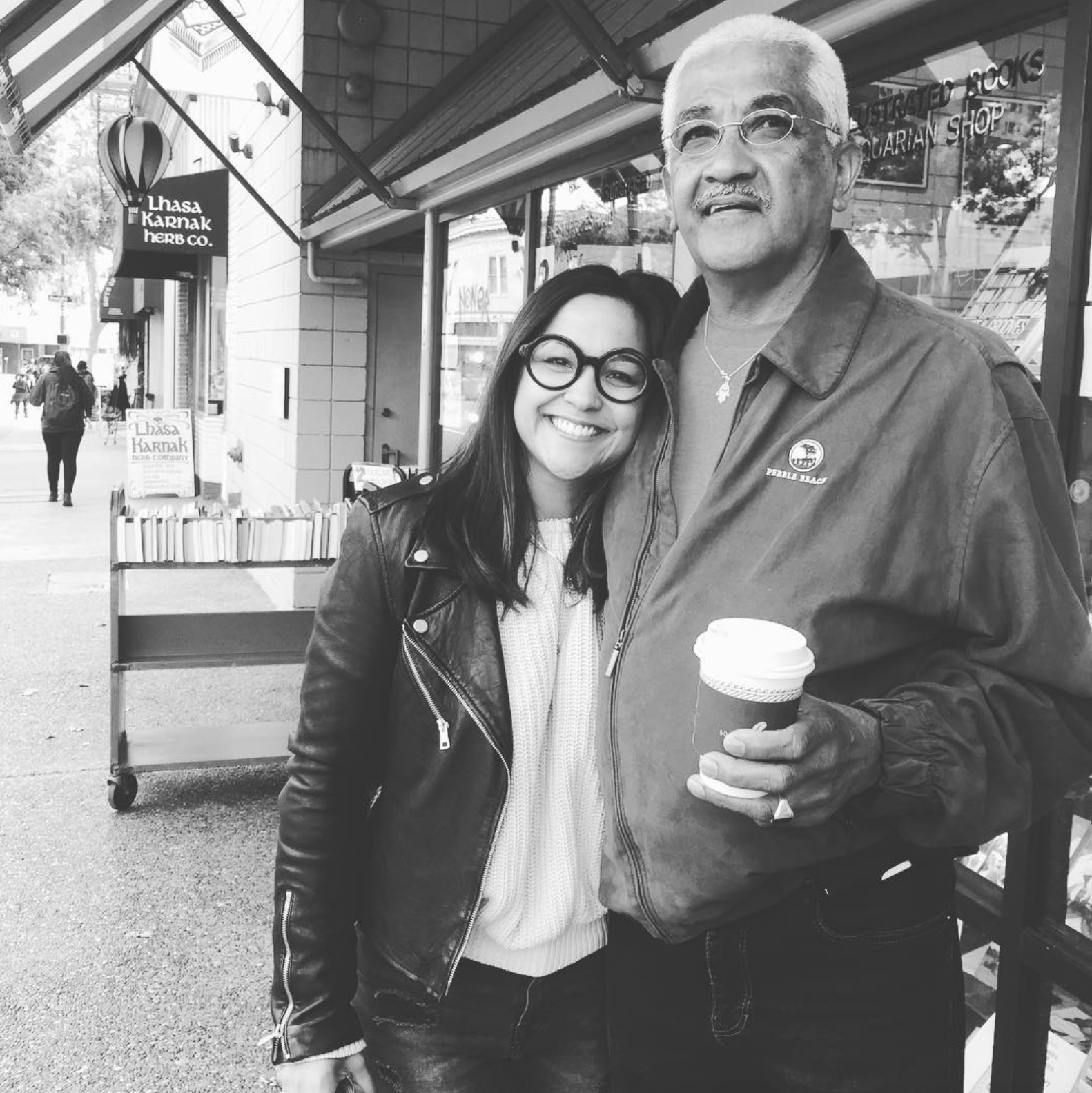
In Loving Memory of Imro Shair-Ali
April 27, 1950 - March 16, 2026